
For years, residential energy systems have grown by accumulation.
First solar panels. Then batteries. Then heat pumps.
Each added as a separate layer, often working next to each other—but rarely together.
With Tongyi’s latest milestone, that logic changes.
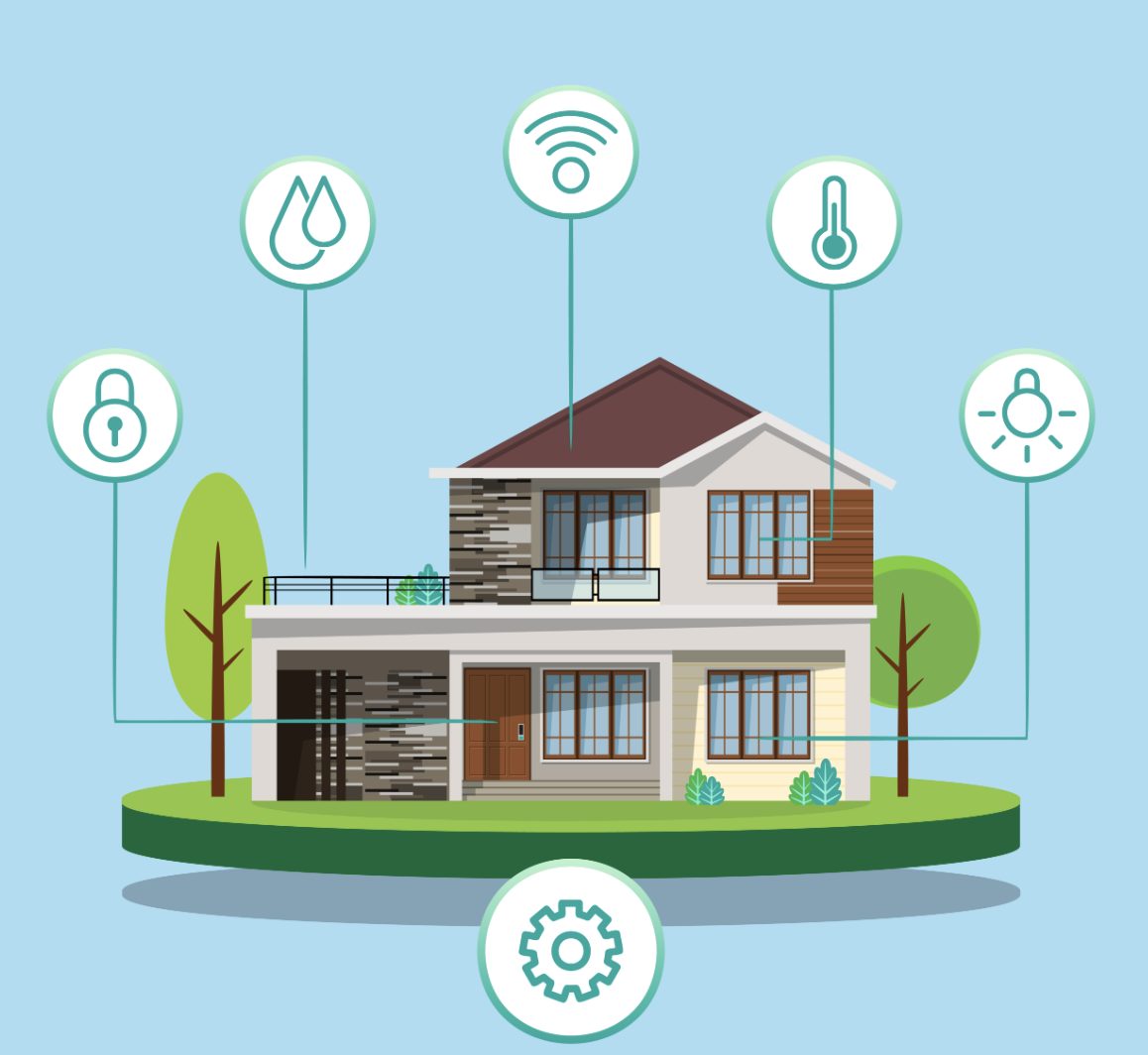
We are moving from a collection of devices to a single, integrated energy system, where solar generation, battery storage, and air-to-water heat pump technology operate under one shared intelligence. Not just to save energy—but to manage it better.
Beyond Components: Thinking in Systems
In most homes today, energy still flows in a very linear way:
solar produces when the sun shines, batteries store what they can, and the heat pump runs when the thermostat asks for it.
The problem is not the technology.
The problem is the lack of coordination.
Tongyi’s integrated solar storage heat pump system is designed around a simple idea:
energy decisions should be made centrally, not independently.
By connecting PV, storage, and the heat pump through one energy management logic, the system continuously decides how energy is best used—thermally or electrically, now or later.
Letting the Sun Do the Heating
One of the most effective strategies in an integrated system is using solar electricity directly for heating.
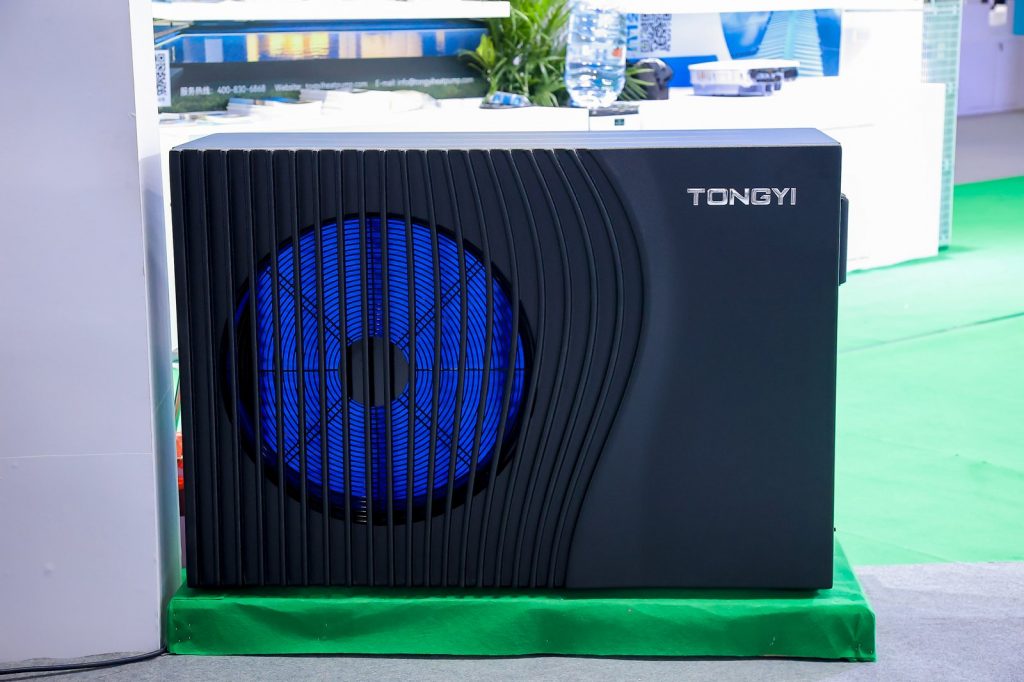
When PV production is high, the Tongyi air-to-water heat pump:
- increases operation using self-generated power
- preheats domestic hot water
- stores energy in buffer tanks and building mass
Instead of exporting cheap solar electricity and buying it back later at a higher price, the system stores value as heat. This improves self-consumption and reduces unnecessary battery cycling.
Batteries with a Purpose
In this architecture, battery storage is not just a safety net for the evening.
It becomes a decision-driven asset.
Depending on forecasts and prices, stored electricity can be:
- reserved for later heat pump operation
- combined with PV to cover peak demand
- exported strategically when grid prices justify it
The battery is no longer “on or off”. It is part of an economic strategy.
GEO Energy Management: Homes That Understand the Grid
At the heart of the system lies a GEO energy management system—Grid-Enabled Optimization.
This means the home does not operate in isolation. It remains aware of:
- grid conditions
- load patterns
- future demand
The heat pump adapts its behavior accordingly, reducing consumption during peak stress periods and shifting loads when the grid allows it. This is a critical step toward future smart-grid participation.
DAM Logic: Using the Day-Ahead Market to Your Advantage
One of the most forward-looking elements of this system is its ability to integrate DAM (Day-Ahead Market) pricing logic.
By analyzing day-ahead electricity prices, the system can:
- run the heat pump more aggressively when prices are forecasted to be low
- reduce operation during high-price windows
- pre-charge thermal and electrical storage ahead of price spikes
In practical terms, the heat pump stops behaving like a fixed load and starts acting like a price-responsive energy asset.
This approach is especially relevant in European markets where dynamic tariffs and price volatility are becoming the norm.
Built for the Energy Reality of Today—and Tomorrow
This integrated solar storage heat pump system is designed for:
- homes with high PV penetration
- regions with variable electricity pricing
- users aiming for lower operating costs and higher energy independence
More importantly, it prepares buildings for what comes next: flexibility markets, grid interaction, and smarter regulation.
The Heat Pump as the Energy Brain
In Tongyi’s vision, the heat pump is no longer just a heating appliance.
It becomes:
- a thermal storage manager
- a grid-aware device
- a DAM-driven energy optimizer
The future home is not about producing more energy.
It is about using energy intelligently.
With this integrated architecture, Tongyi takes a clear step in that direction.