

Why Spring Is the Ideal Moment to Check Your Heat Pump
As winter heating demand gradually decreases across Europe, spring becomes the perfect moment to perform heat pump spring maintenance.
After months of continuous operation, outdoor units may accumulate dust, leaves, and debris. Small maintenance actions during this transition period can help ensure that the system continues operating efficiently and reliably throughout the year.
A well-maintained heat pump not only improves performance but can also extend the lifespan of key components such as compressors, fans, and heat exchangers.
1. Clean the Outdoor Unit
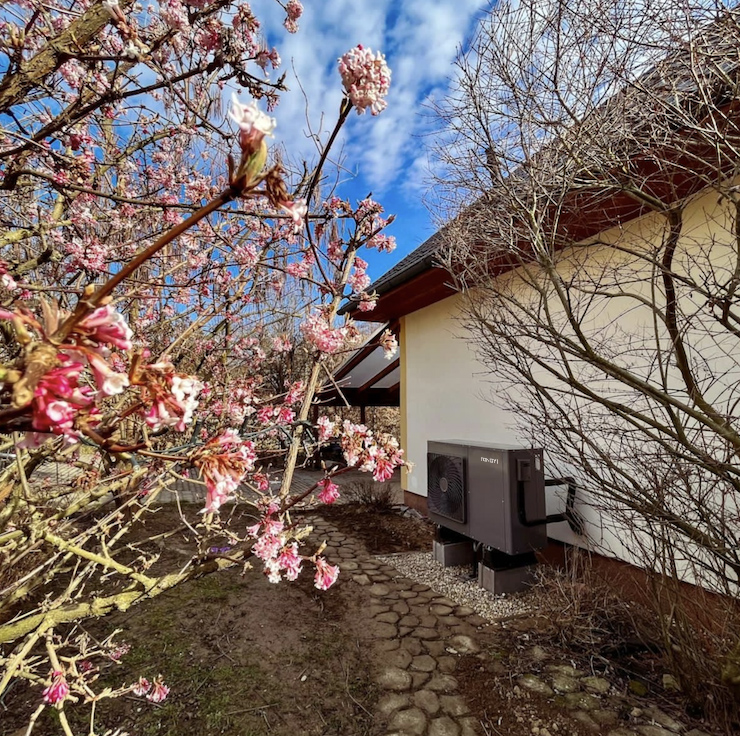
During winter, wind and weather conditions often bring dirt, leaves, and particles that can accumulate around the outdoor unit.
For effective heat pump spring maintenance, homeowners should:
• Remove leaves and debris around the unit
• Ensure adequate airflow clearance (typically 30–50 cm around the unit)
• Gently clean visible dirt from the coil surface if necessary
Maintaining unobstructed airflow is essential for optimal heat exchange and system efficiency.
2. Inspect the Air Filters
Air filters in indoor units or hydraulic modules can collect dust during the heating season.
Checking and cleaning filters in spring can help:
• Maintain proper airflow
• Improve indoor air quality
• Reduce unnecessary system strain
This simple step is one of the easiest yet most effective parts of heat pump spring maintenance.
3. Check System Settings for Seasonal Operation
Many heat pump systems offer seasonal operating modes, allowing users to switch from heating priority to domestic hot water production or cooling preparation.
Spring is a good time to:
• Review thermostat schedules
• Adjust heating curves if necessary
• Prepare the system for summer cooling
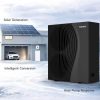
Smart control systems can simplify these adjustments.
4. Verify Drainage and Condensate Lines
As outdoor temperatures rise, heat pumps may produce condensate water during operation.
Part of proper heat pump spring maintenance includes ensuring that:
• Condensate lines are not blocked
• Drainage pipes remain clear
• No water accumulation occurs near the unit
Proper drainage prevents potential corrosion or operational issues.
5. Schedule a Professional Inspection
While many simple tasks can be done by homeowners, a professional seasonal inspection can provide additional peace of mind.
Installers or service technicians may check:
• Refrigerant pressure levels
• Electrical connections
• Circulation pumps and valves
• System software and control parameters
Regular professional checks ensure that the system continues to operate within manufacturer specifications.
Seasonal Efficiency Starts with Simple Care
Heat pumps are designed for durability and continuous operation, but like any technical system, periodic care is essential.
Performing heat pump spring maintenance helps maintain efficiency, prevents avoidable issues, and prepares the system for the warmer months ahead.
With just a few simple checks, homeowners can ensure their heating system remains ready for the next season—efficient, reliable, and energy-conscious.