
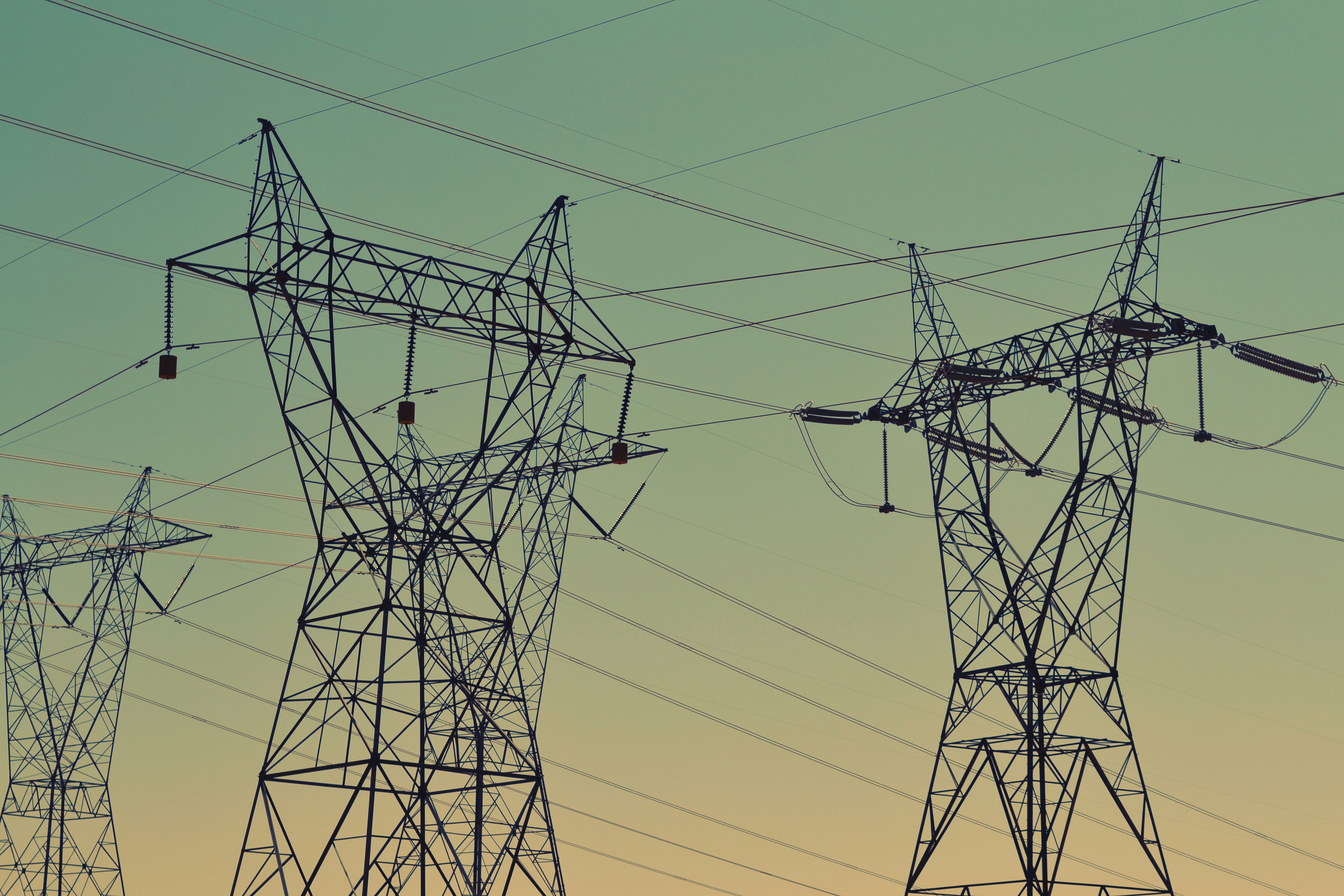
Electricity prices are changing. In many European markets, the cost of electricity is no longer just a fixed number on a bill. It can vary depending on the time of day, grid demand, renewable energy production, and the type of electricity contract used by the household.
This creates a new question for heating:
Can a heat pump operate when electricity is cheaper?
The answer is increasingly yes. This is where the idea of a dynamic tariff heat pump becomes important.
A dynamic tariff heat pump is not a completely new category of machine. It is a heat pump system that can be managed intelligently according to electricity price signals, comfort needs, PV production, battery availability, and thermal storage capacity.
In simple terms, it does not only ask:
“Does the home need heat?”
It also asks:
“Is this the right moment to produce heat?”
What is a dynamic tariff?
A dynamic tariff is an electricity contract where the price changes over time. The price may be lower when electricity demand is low or renewable generation is high. It may be higher during peak-demand periods.
IRENA defines dynamic tariffs as tariffs that vary over time or by location depending on power-system conditions, such as demand levels or renewable generation. These price signals can encourage users to shift electricity consumption to better moments.
For households with heat pumps, this matters because heating and domestic hot water production can often be shifted within certain limits.
A home does not always need the heat pump to operate at the exact same moment. With the right control strategy, some heating activity can be moved to more favorable electricity-price periods.
How does a dynamic tariff heat pump work?
A dynamic tariff heat pump works by combining heat pump operation with smarter control logic.
For example, the system may:
- heat domestic hot water when electricity is cheaper;
- pre-heat the building slightly before a high-price period;
- reduce operation during peak-price hours;
- use solar PV electricity during the day;
- coordinate with a battery when stored electricity is available;
- avoid unnecessary operation when comfort is already within range.
The principle is simple: the heat pump uses electricity, but it does not need to use it blindly.
A smart system can decide when operation makes the most economic and technical sense.
Does this mean lower comfort?
No — not if the system is designed correctly.
A dynamic tariff heat pump should not make the home cold simply because electricity is expensive at a certain hour. Comfort remains the priority.
The key is flexibility.
Buildings have thermal inertia. Domestic hot water tanks can store heat. Buffer tanks can support smoother operation. Underfloor heating systems can also retain heat for a period of time.
This means that a heat pump can sometimes operate earlier, later, or more gradually while still maintaining comfort.
The goal is not to stop heating. The goal is to manage heating more intelligently.
Why are heat pumps important for energy flexibility?
Heat pumps are becoming important flexible devices because they are efficient, electric, and increasingly connected.
The IEA notes that heat pump operators can make use of demand-side flexibility through dynamic electricity tariffs. It also highlights the potential of integrated systems that combine heat pumps with metering, active demand-response protocols, heat storage, and solar PV.
EHPA also explains that heat pumps can be switched on when electricity demand is lower and reduced at peak times, helping balance electricity demand and reduce costs for both consumers and the wider energy system.
This makes heat pumps more than heating appliances. They become part of the energy infrastructure of the home.
Why does this matter for installers?
For installers, dynamic tariffs create a new sales conversation.
Customers may ask:
Can this heat pump work with a dynamic electricity tariff?
Can it produce hot water when electricity is cheaper?
Can it work with solar PV?
Can it coordinate with a battery?
Can it help reduce operating costs?
These questions are becoming more relevant because end users are not only thinking about heating efficiency. They are thinking about total energy cost.
An installer who can explain this clearly has a stronger argument.
Instead of selling only a heat pump, the installer can sell a smarter heating strategy.

What role do PV and batteries play?
PV and batteries make the dynamic tariff concept even stronger.
Solar PV can provide electricity during the day. A battery can store electricity for later use. A heat pump can convert electricity into heating, cooling, or domestic hot water.
When these elements are coordinated, the home can make better use of available energy.
For example:
When solar production is high, the heat pump can increase domestic hot water production.
When electricity prices are low, the heat pump can prepare heat in advance.
When electricity prices are high, the system can reduce unnecessary operation.
When a battery has stored energy, the heat pump can use more self-generated electricity.
This is the direction of modern residential energy systems: not isolated products, but coordinated devices.
Why is R290 relevant?
R290 is a natural refrigerant with very low global warming potential. It is increasingly used in modern air-to-water heat pumps because it supports strong heating performance while responding to the market’s need for lower-impact refrigerants.
For a dynamic tariff heat pump, R290 is not the only important factor. The control strategy, system design, and integration capacity also matter.
However, an R290 heat pump with smart operation logic can combine two important market trends:
lower-impact refrigerant technology and smarter energy use.
This makes R290 heat pumps particularly relevant for future-ready residential heating projects.
How does Tongyi RH Series fit this direction?
Tongyi’s RH Series R290 air-to-water heat pumps are well positioned for the next stage of the European heating market.
The future is not only about replacing a boiler with a heat pump. It is about connecting heating with the wider home energy system.
This includes:
- PV generation;
- battery storage;
- inverter communication;
- smart controls;
- domestic hot water scheduling;
- energy-aware operation;
- flexible electricity use.
For distributors and installers, this creates a clearer value proposition. The RH Series can be presented not only as an efficient R290 heat pump, but as part of a smarter energy strategy for modern homes.
Is a dynamic tariff heat pump useful for every home?
Not every home will benefit in the same way.
The benefit depends on several factors:
- the electricity contract;
- smart meter availability;
- the heating system design;
- the presence of PV or battery storage;
- domestic hot water demand;
- the building’s thermal characteristics;
- control-system compatibility.
However, the direction is clear. As electricity markets become more flexible, heating systems that can respond intelligently will become more attractive.
A heat pump that can only operate in a basic on/off logic may still heat the home. But a heat pump that can respond to price signals, PV production, and storage availability can support a more advanced energy strategy.
What is the main takeaway?
A dynamic tariff heat pump is about timing.
It asks whether heat can be produced when electricity is cheaper, cleaner, or more available — without reducing comfort.
For homeowners, this can support better energy-cost management.
For installers, it creates a stronger technical and commercial story.
For distributors, it opens a future-ready product positioning.
And for Tongyi, it reinforces the RH Series as part of a smarter, more flexible, and more energy-aware heating generation.
#FridayTech takeaway: the next heat pump does not only produce heat. It knows when heat makes sense.
FAQ
What is a dynamic tariff heat pump?
A dynamic tariff heat pump is a heat pump system that can adjust its operation according to changing electricity prices. It can produce heat, cooling, or domestic hot water during more favorable electricity-price periods while maintaining comfort.
Can a heat pump work with dynamic electricity tariffs?
Yes. A heat pump can work with dynamic electricity tariffs when it is connected to suitable controls, smart meters, home energy management systems, or other energy-management logic.
Does a dynamic tariff heat pump reduce comfort?
It should not reduce comfort if properly designed. The system can use thermal storage, domestic hot water tanks, and building thermal inertia to shift operation without making the home uncomfortable.
Why are dynamic tariffs important for heat pumps?
Dynamic tariffs are important because heat pumps use electricity. If operation can be shifted toward lower-price periods, the system may reduce operating costs and support better grid balance.
Can dynamic tariff heat pumps work with solar PV?
Yes. A heat pump can work with solar PV by increasing operation when solar electricity is available, for example by producing domestic hot water or pre-heating within comfort limits.
Are R290 heat pumps suitable for dynamic tariffs?
Yes. R290 heat pumps can be suitable for dynamic tariff strategies when combined with smart controls, energy-management systems, PV integration, or battery storage.