
Updated September 15, 2026
Towards Higher Household Energy Self-Consumption
In a smart home, a heat pump can do more than provide heating and cooling. When connected with solar PV and energy-management technology, it can use more electricity generated on site and reduce reliance on grid power.
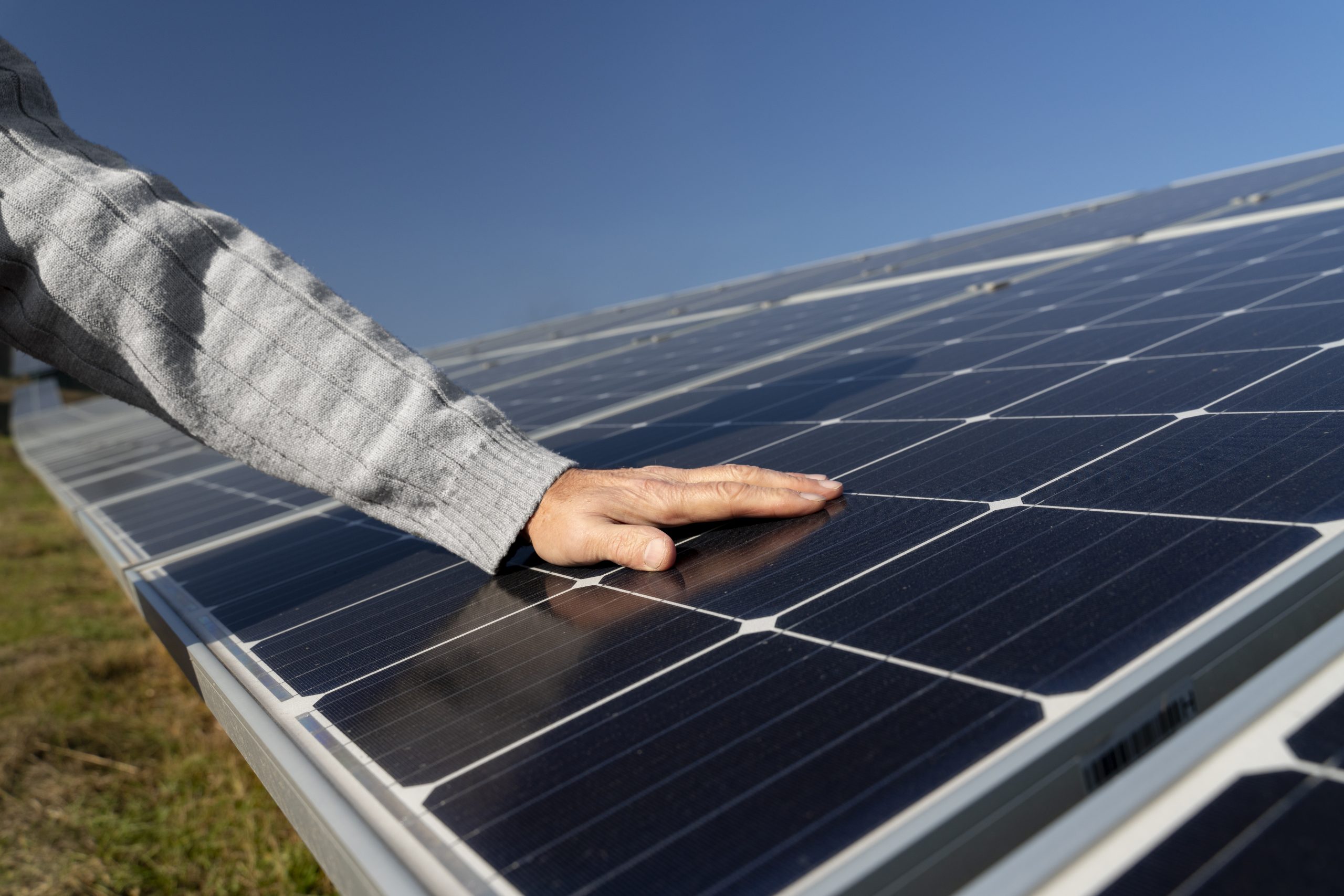
Tongyi air-to-water heat pumps can be integrated with solar PV systems and compatible inverters. During periods of solar generation, part of the electricity produced by the PV system can be used directly by the heat pump for heating, cooling or hot-water production.
This can increase household solar self-consumption and reduce the amount of electricity drawn from the grid. The actual benefit depends on the size of the PV system, heat demand, operating schedule and control strategy.
An Energy Management System (EMS) can further coordinate heat-pump operation with other household energy devices. It can help manage when the heat pump operates and align energy use more closely with available solar production.
Additional sensors and weather-based controls can also adjust heat-pump operation according to outdoor temperature and household demand. This helps maintain comfort while improving overall system efficiency.
Smart-home integration can also connect the heat pump with other compatible devices and automation systems. The objective is not simply to add more technology, but to coordinate energy use more effectively across the home.
How Heat Pump Solar Integration Works
A heat pump does not need a special type of electricity to operate with solar PV. When the PV system is generating electricity, part of that output can be used directly by the heat pump. Smart controls or an Energy Management System can help coordinate operation with periods of higher solar production.
The amount of solar electricity used by the heat pump depends on factors such as:
- PV system size and generation profile
- household heating and hot-water demand
- heat pump operating schedule
- thermal storage or buffer capacity
- energy-management settings
Well-coordinated operation can increase solar self-consumption and reduce electricity drawn from the grid, particularly when heating or hot-water production can be shifted toward periods of stronger solar generation.
For a broader example combining solar, battery and heat pump integration, see our integrated home energy architecture.