
If your air-to-water heat pump is not heating enough, possible causes include restricted water flow, blocked outdoor airflow, refrigerant problems, incorrect controls or missed maintenance. This guide explains five common causes, basic checks you can make and when to contact a qualified installer.
1. Restricted Water Flow
In an air-to-water system, water carries heat to radiators or underfloor heating. Trapped air, blocked water filters, closed valves or circulation-pump problems can restrict flow and reduce heating performance.
What to do: Note any fault codes and whether the problem affects every room or only certain areas. Ask a qualified installer to check water flow, filters, valves and pump operation against your model’s requirements.
2. Restricted Outdoor Airflow or Persistent Ice
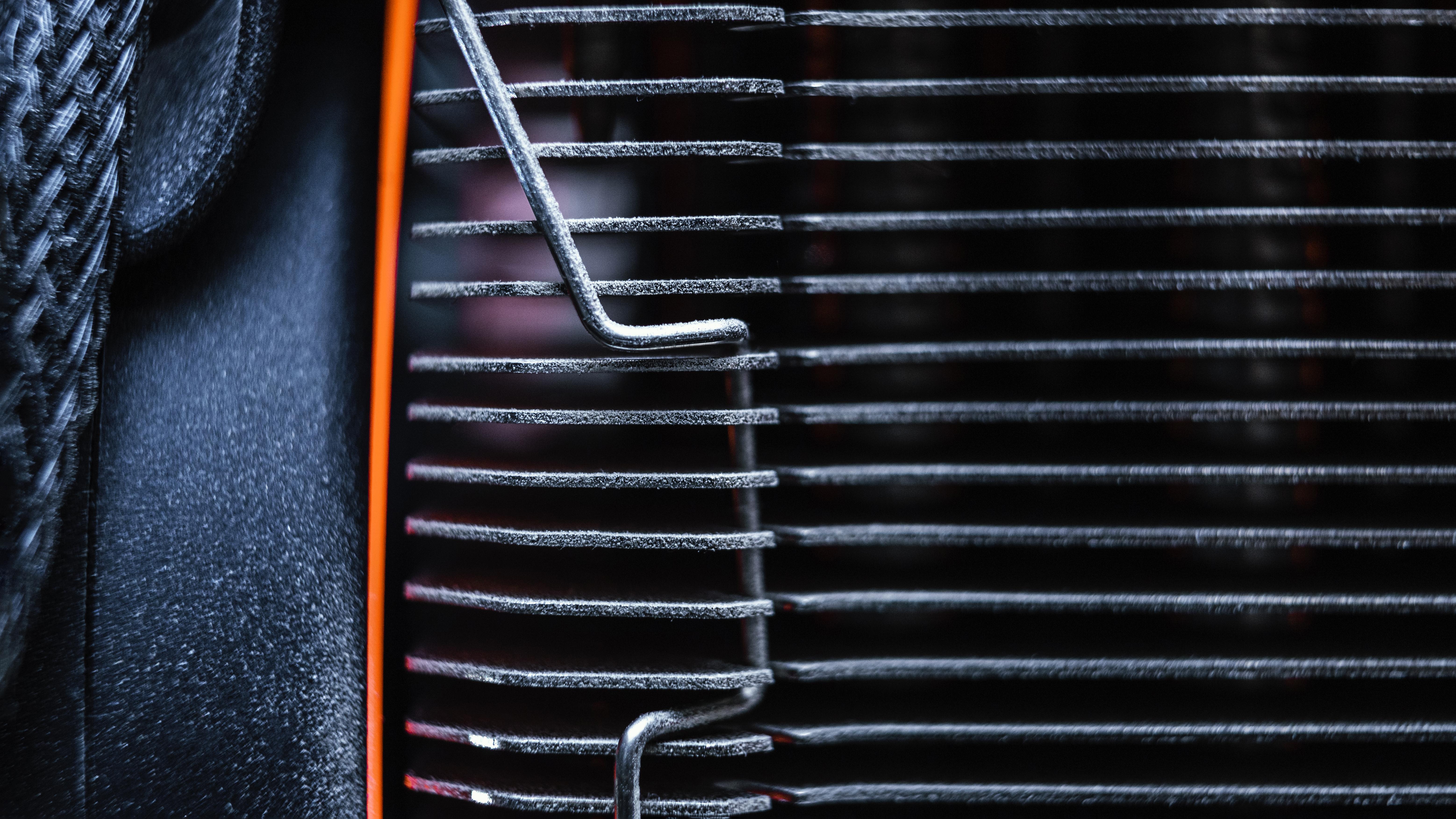
Leaves, snow and nearby objects can obstruct airflow and reduce heating performance. Light frost can be normal in cold, damp weather and should clear during automatic defrost.
What to do: Keep the surrounding area clear and follow the clearances specified in your model’s installation manual. Do not chip ice off the coil or pour hot water over the unit. If thick ice persists or defrost repeatedly fails, contact your installer.

3. Low Refrigerant Charge
A refrigerant leak or incorrect charge can reduce heating capacity. Refrigerant circulates in a sealed circuit and is not normally used up during operation.
What to do: Contact a qualified technician trained to handle your unit’s refrigerant. They should investigate the fault, repair any leak and restore the correct charge according to the manufacturer’s instructions. Only the specified refrigerant type and quantity should be used. Do not attempt to recharge the unit yourself or substitute R290 into a system designed for another refrigerant.
4. Incorrect Heating Settings or Sensor Readings
Heating schedules, room-temperature targets and heating-curve settings affect how your home warms up. Incorrect settings or inaccurate sensor readings can prevent rooms from reaching the desired temperature.
What to do: Check that space heating is enabled, review the heating schedule and confirm your target room temperature. Keep thermostats away from direct sunlight and nearby heat sources. If rooms remain cold, ask your installer to check the heating curve and sensor readings.
5. Lack of Regular Maintenance
Dirt, wear and developing faults can reduce heating performance. Regular servicing helps identify problems before they worsen.
What to do: Follow your model’s maintenance schedule, usually including an annual professional service. A qualified technician should inspect heat exchangers, water filters, controls, electrical connections and safety devices according to the manufacturer’s instructions.
Still Not Heating Enough?
If the problem persists, ask your installer to check whether the heat pump’s capacity, radiators or underfloor heating, and control settings match your building’s heating needs.
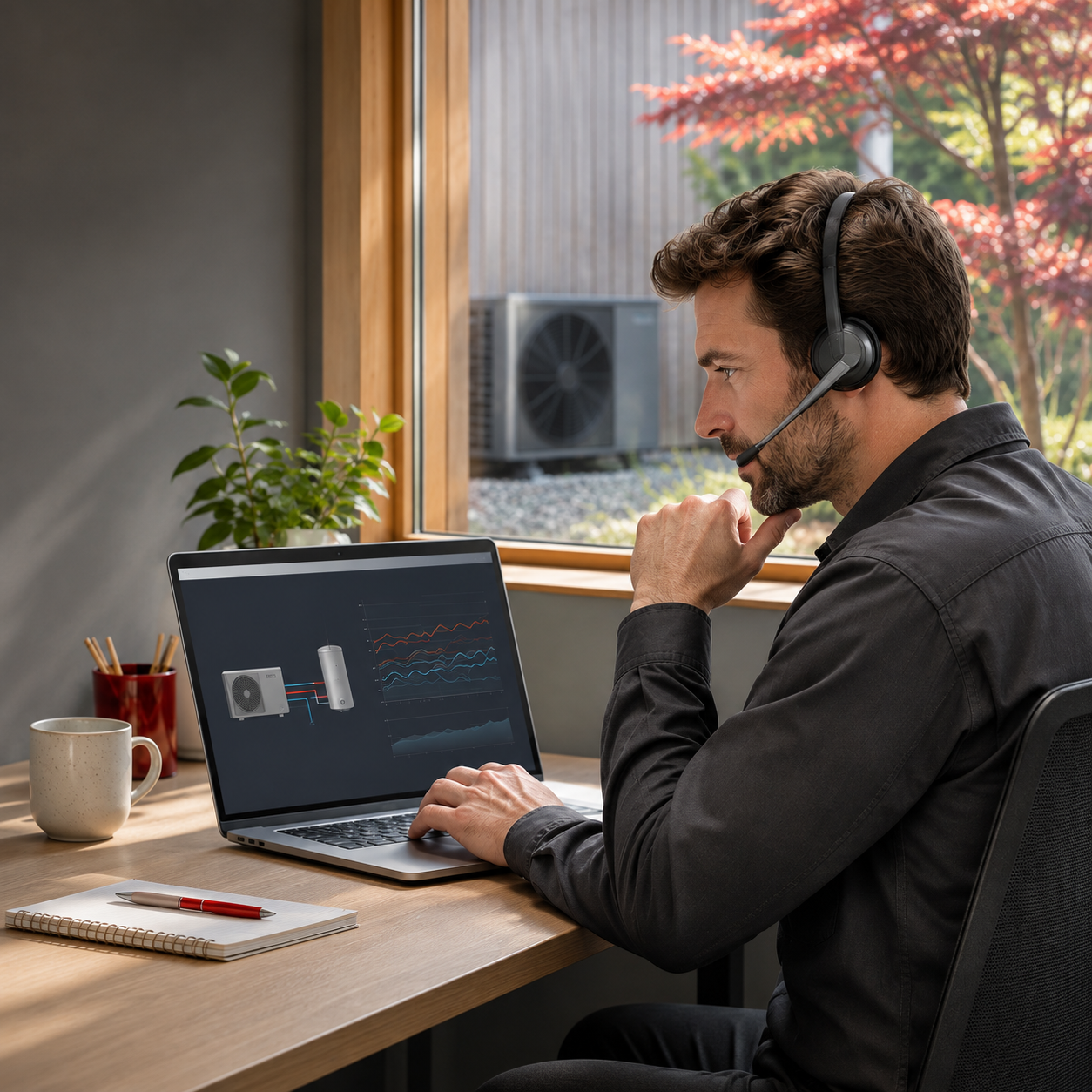
For help with a Tongyi unit, contact our team with the model number, any fault codes and a description of when the problem occurs.