
When people compare air-to-water heat pumps, they usually look at capacity, COP, refrigerant, noise level or maximum water temperature.
These points are important.
But there is another factor that strongly affects real performance: water flow.
In an air-to-water heat pump system, water carries heat from the outdoor unit to the heating system. This can be underfloor heating, radiators, a buffer tank or a domestic hot water tank.
If the water flow is too low, the heat pump cannot transfer heat correctly.
If the flow is unstable, the system may stop and restart too often.
If the flow is correct, the system works more smoothly.
That is why heat pump water flow is essential for comfort, efficiency and reliability.
What Is Water Flow?
Water flow is the amount of water moving through the heat pump system.
It is usually measured in litres per minute, litres per hour or cubic metres per hour.
In simple terms, water flow shows how well the system can move heat from the heat pump into the building.
Good water flow helps the heat pump deliver heat steadily. Poor water flow makes the system work harder.
What Happens When Water Flow Is Too Low?
Low water flow is a common cause of heat pump problems.
When not enough water passes through the heat exchanger, the heat cannot be carried away properly. As a result, the temperature difference between the supply and return water can become too high.
This can lead to:
- slower heating response
- unstable room temperature
- lower efficiency
- more frequent start-stop cycles
- higher stress on the compressor
- flow-related error codes
- weaker domestic hot water performance
In many cases, the heat pump itself is not the problem.
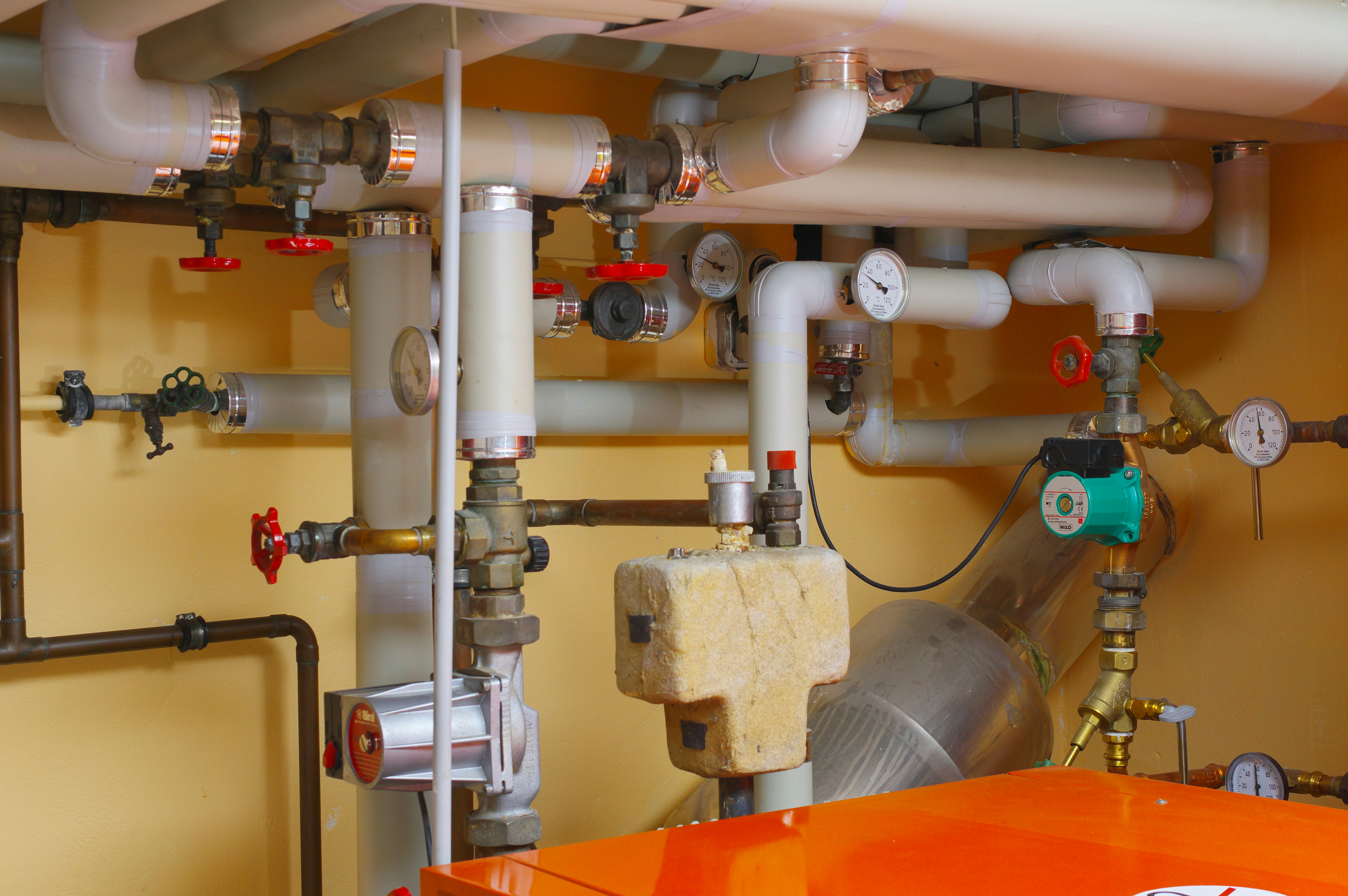
The cause may be in the installation: closed valves, air in the circuit, dirty filters, wrong pump settings or poor hydraulic balancing.
Understanding ΔT
One useful term in heat pump systems is ΔT, or delta T.
Delta T means the temperature difference between the water leaving the heat pump and the water returning to it.
For example:
- outlet water temperature: 35°C
- return water temperature: 30°C
- delta T: 5°C
This value helps installers understand whether the system is transferring heat correctly.
If delta T is too high, the water flow may be too low.
If delta T is too low, the flow may be too high or the heating circuit may not be absorbing enough heat.
The right delta T depends on the system design and manufacturer settings. That is why correct commissioning is important.
Why Water Flow Affects Efficiency
A heat pump works best when it can operate steadily.
Stable water flow helps the unit avoid unnecessary stops and starts. This supports better efficiency and smoother comfort.
This is especially important in low-temperature heating systems, such as underfloor heating or correctly sized radiators.
These systems do not need very hot water. Instead, they need steady heat distribution over time.
Good water flow allows the heat pump to do exactly that.
The Role of the Circulation Pump
The circulation pump moves water through the system.
If the pump is too weak, the flow may be too low.
If the pump is badly adjusted, the system may become unstable.
If the pipework creates too much resistance, the pump may not achieve the required flow.
Installers should check:
- pipe diameter
- pipe length
- bends and restrictions
- filter condition
- air in the system
- valve positions
- pump settings
- buffer tank connections
- hydraulic balancing
These details may look small, but they can have a big impact on performance.
Why Flow Protection Is Important
Modern heat pumps normally include flow protection.
This helps protect the unit when water circulation is too low.
Flow protection is important, but it should not be used to hide installation problems. If the system often shows flow alarms, the cause should be checked.
The goal is not only to avoid alarms.
The real goal is to make sure the heat pump works under the right conditions.
R290 Heat Pumps Need Good Hydraulic Design
R290 air-to-water heat pumps are designed for efficient and powerful heating.
But, like any advanced heat pump, they need a good system around them.
The hydraulic circuit must allow stable water flow, correct temperature difference and reliable heat transfer.
For installers and distributors, this is an important message:
A high-performance heat pump needs high-quality installation.
The product and the system must work together.
Practical Checks Before Commissioning
Before starting an air-to-water heat pump, installers should check the hydraulic system carefully.
Important checks include:
- flush and clean the system
- remove air from the circuit
- check water pressure
- clean the filter
- confirm valve positions
- set the circulation pump correctly
- check the flow rate
- monitor inlet and outlet temperatures
- test heating mode
- test domestic hot water mode
These steps help prevent problems after installation.
They also improve the final user experience.
Conclusion
Water flow is one of the hidden factors behind stable heat pump performance.
It affects comfort, efficiency, domestic hot water production and long-term reliability.
For end users, this means installation quality matters.
For installers, it means hydraulic design and commissioning are essential.
For distributors, it shows the value of technical support.
An air-to-water heat pump is not just a machine.
It is part of a water-based heating system.
When the water flows correctly, the whole system works better.