

As electricity systems integrate increasing amounts of renewable energy, balancing supply and demand is becoming more complex. Solar and wind power are clean and abundant, but their output varies according to weather conditions.
Heat pump demand response offers a practical way to manage this variability. By adjusting when a heat pump consumes electricity, a smart heating system can help reduce peak demand, use more renewable energy and support a more stable electricity grid.
What Is Heat Pump Demand Response?
Demand response is the controlled adjustment of electricity consumption in response to external signals. These signals may come from:
- Electricity prices
- Energy suppliers
- Smart meters
- Building energy management systems
- Home energy management systems
- Grid operators
- Renewable energy availability
Instead of operating only according to an immediate heating or cooling request, a demand-response-enabled heat pump can modify its operating schedule within defined comfort and safety limits.
For example, the system may increase heating slightly before an expected peak-demand period and then reduce compressor operation during the peak. The building and its water circuit temporarily store thermal energy, allowing indoor comfort to be maintained while electricity consumption is shifted to a more suitable time.
Why Heat Pumps Are Suitable for Demand Response
Heat pumps are particularly suitable for demand-side flexibility because heating and cooling demand does not always need to be met at the exact moment electricity is consumed.
Thermal energy can be stored temporarily in:
- The building structure
- Underfloor heating systems
- Buffer tanks
- Domestic hot-water cylinders
- Other thermal storage equipment
This thermal storage capacity allows the heat pump to move part of its electricity consumption from one period to another.
Unlike simply switching equipment off, an effective demand response strategy anticipates the building’s thermal requirements. The objective is to shift energy use while preserving the required room temperature and domestic hot-water availability.
How Heat Pump Demand Response Works
A smart heat pump can receive information about electricity prices, grid conditions or locally generated renewable energy. Its controller then adjusts operation according to predefined priorities.
A typical demand response sequence may include:
- Receiving an external signalThe heat pump or connected energy management system receives information indicating a low-price period, a peak-demand event or high renewable electricity availability.
- Evaluating thermal demandThe control system checks room temperature, outdoor temperature, water temperature, domestic hot-water requirements and other operating conditions.
- Preheating or precoolingBefore a peak period, the system may increase the temperature of the building or thermal storage within an acceptable range.
- Reducing peak-period consumptionDuring the peak period, the heat pump can temporarily reduce its electrical load while using the previously stored thermal energy.
- Returning to normal operationAfter the demand response event, the heat pump gradually returns to its standard operating schedule.
Smart grids use digital monitoring and control to respond to changing electricity supply and demand. Demand-response-enabled heating equipment can therefore become an active part of a more flexible energy system.
Supporting Renewable Energy Integration
Renewable electricity production does not always coincide with household heating demand.
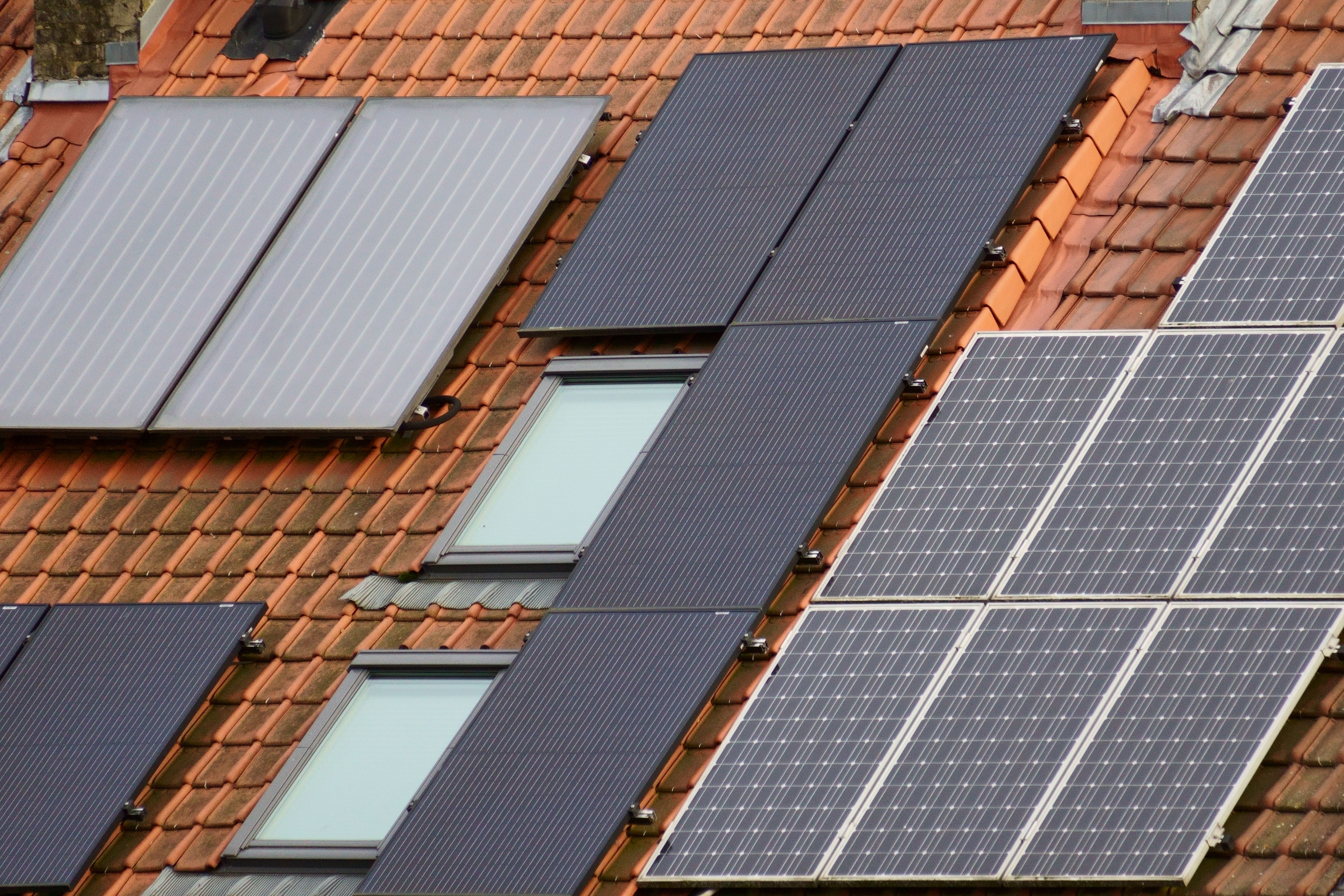
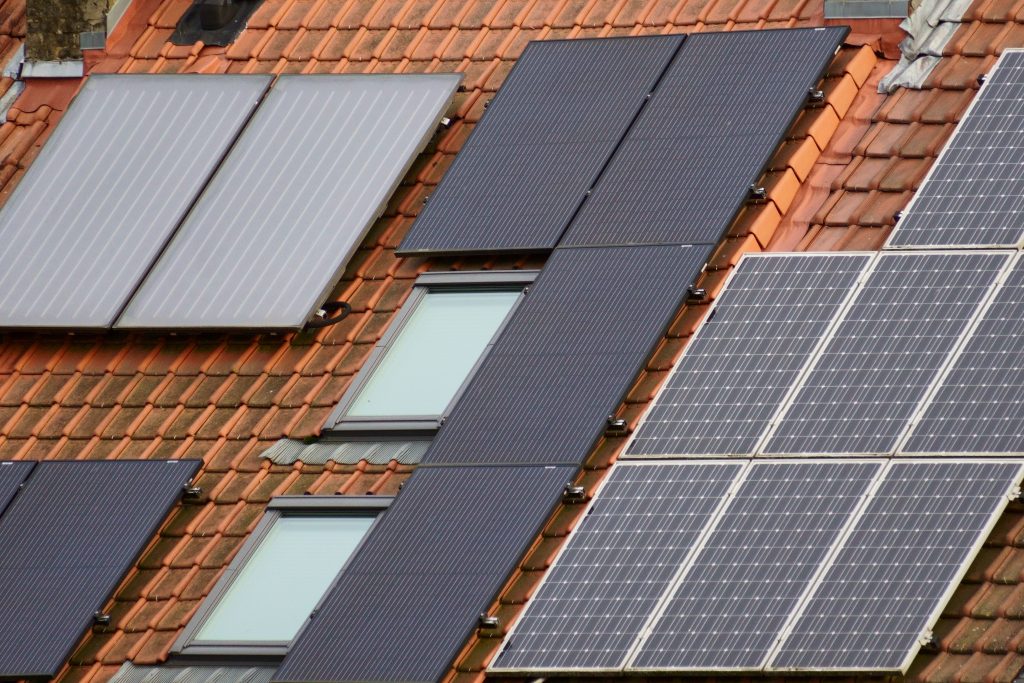
Solar PV systems may generate their highest output around midday, while heating demand often increases in the early morning and evening. Wind generation can also vary significantly throughout the day.
Heat pump demand response helps address this mismatch by moving electricity consumption towards periods when renewable energy is more readily available.
For example, a heat pump connected to a home energy management system may:
- Heat domestic water when solar PV production is high
- Increase buffer-tank temperature during low-price periods
- Reduce electricity consumption during evening peaks
- Coordinate its operation with battery storage
- Prioritise locally generated electricity
This approach can increase self-consumption of renewable energy and reduce the amount of electricity imported from the grid during expensive or congested periods.
Potential Benefits for Users
When supported by suitable electricity tariffs and intelligent controls, heat pump demand response can provide several advantages.
Lower operating costs
The heat pump can shift part of its operation towards periods when electricity is less expensive. The actual savings depend on the tariff structure, building characteristics, system configuration and available thermal storage.
Greater use of solar PV
Operating the heat pump during periods of high solar generation can increase the direct use of locally produced electricity.
Reduced peak demand
Temporarily lowering electrical consumption during peak periods can reduce stress on local electricity networks.
Improved energy management
Demand response allows the heat pump to work as part of a wider energy ecosystem that may include solar PV, battery storage, smart meters and energy management platforms.
Maintained indoor comfort
A properly configured strategy uses the thermal inertia of the building and heating system to shift consumption without creating significant temperature fluctuations.
The International Energy Agency identifies connected heat-pump controls as an important source of flexibility that can help reduce peak electricity demand.
The Importance of Correct System Design
Demand response is most effective when the entire heating system has been designed and commissioned correctly.
Important factors include:
- Accurate heat-loss calculations
- Correct heat-pump sizing
- Suitable water-flow rates
- Appropriate weather-compensation settings
- Adequate thermal storage
- Properly positioned temperature sensors
- Compatible communication interfaces
- Correct energy-management configuration
Oversizing the heat pump or using excessively high water temperatures can reduce efficiency and limit operating flexibility. A well-designed low-temperature heating system generally offers better conditions for efficient load shifting.
Demand response settings should also protect domestic hot-water hygiene, frost protection, compressor operating limits and the user’s comfort requirements.
Demand Response Versus Basic On/Off Control
Demand response should not be confused with uncontrolled remote shutdown.
A basic on/off signal may interrupt operation without considering the temperature of the building, the condition of the water circuit or the next heating requirement.
A smarter demand response strategy evaluates the complete system before changing operation. It can determine:
- How much thermal energy is already stored
- How long consumption can be reduced
- Whether preheating is necessary
- Which operating limits must be maintained
- When the system should restart
This coordinated approach helps protect efficiency, equipment reliability and indoor comfort.
Heat Pumps as Flexible Energy Assets
As heating becomes increasingly electrified, heat pumps will represent a growing share of electricity demand. However, they can also provide valuable flexibility.
Heat pumps can increase consumption when renewable electricity is abundant and reduce it during periods of grid congestion or high demand. Industry and energy-system organisations therefore recognise flexible heat-pump operation as a potential tool for supporting renewable integration and reducing pressure on electricity networks.
Instead of being viewed only as electricity-consuming appliances, smart heat pumps can become controllable energy assets within connected homes and buildings.
Building a Smarter Heating System with Tongyi
Tongyi heat pump solutions are designed for integration into modern heating and energy-management environments. Through intelligent control, compatible communication functions and coordinated system design, heat pumps can respond more effectively to building demand and external energy signals.
When combined with solar PV, thermal storage and a suitable home or building energy management system, a smart heat pump can help users:
- Improve renewable-energy self-consumption
- Reduce peak-period electricity use
- Optimise heating and cooling schedules
- Maintain stable indoor comfort
- Prepare their properties for increasingly flexible electricity markets
Conclusion
Heat pump demand response connects efficient heating technology with the needs of a changing electricity system.
By shifting consumption rather than simply increasing or decreasing total energy use, demand response can support renewable electricity, reduce peak loads and create new opportunities for smarter energy management.
The result is a heating system that does more than maintain indoor comfort. It also contributes to a cleaner, more flexible and better-balanced energy grid.
For professional guidance on selecting and integrating a smart air-to-water heat pump, contact Tongyi Heat Pump.