
Modern air-to-water heat pumps are designed to operate efficiently throughout the year, but achieving their full potential depends on more than just the compressor or refrigerant. One of the most important yet often overlooked features is weather compensation—an intelligent control strategy that automatically adjusts the heating water temperature according to the outdoor temperature.
Rather than delivering the same flow temperature regardless of weather conditions, a weather compensation heat pump continuously adapts its operation to match the heating demand of the building. This results in lower energy consumption, greater comfort, improved seasonal efficiency, and reduced wear on the system.
Whether you’re a homeowner looking to reduce your energy bills or an installer aiming to optimize system performance, understanding weather compensation is essential to getting the most from a modern heat pump.
What Is Weather Compensation?
Weather compensation is an automatic control function that adjusts the heat pump’s flow temperature based on the outside air temperature.
When the weather is relatively mild, a building loses less heat, so the heating system only needs to circulate moderately warm water to maintain a comfortable indoor environment. As outdoor temperatures decrease, the controller gradually raises the flow temperature to compensate for the increased heat loss.
Instead of operating at one fixed temperature throughout the year, the system follows a predefined heating curve, ensuring it always produces only the amount of heat that is actually required.
This continuous adjustment allows the heat pump to work more efficiently while maintaining a stable indoor climate.
Understanding the Heating Curve
The heating curve defines the relationship between outdoor temperature and the required heating water temperature.
For example:
| Outdoor Temperature | Typical Flow Temperature |
|---|---|
| 15°C | 28–30°C |
| 10°C | 32–35°C |
| 5°C | 38–40°C |
| 0°C | 42–45°C |
| -10°C | 50–55°C |
The ideal curve depends on several factors, including:
- Building insulation
- Window performance
- Radiator size
- Underfloor heating systems
- Local climate
A properly configured heating curve allows the heat pump to deliver consistent comfort while operating at the lowest possible water temperature.
Why Lower Flow Temperature Improves Efficiency
One of the fundamental principles of heat pump technology is simple:
The lower the required water temperature, the higher the efficiency.
Producing water at lower temperatures requires less work from the compressor, allowing the system to achieve a higher Coefficient of Performance (COP) and Seasonal Coefficient of Performance (SCOP).
Operating with optimized flow temperatures provides several benefits:
- Lower electricity consumption
- Higher seasonal efficiency
- Reduced compressor workload
- Longer equipment lifespan
- Quieter operation
- Greater overall system stability
This is why weather compensation is considered one of the most effective methods for improving real-world heat pump performance.
Better Comfort Without Constant Temperature Changes
Many people assume that supplying hotter water automatically creates a more comfortable home.
In reality, comfort comes from maintaining a stable indoor temperature rather than constantly overheating the heating circuit.
Weather compensation minimizes indoor temperature fluctuations by continuously matching heat production to the building’s actual needs.
The result is:
- Stable room temperatures
- Reduced overheating during mild weather
- Improved humidity balance
- Greater comfort throughout changing seasons
Because adjustments happen automatically, homeowners rarely need to change settings manually.
Perfect for Inverter Heat Pumps
Variable-speed inverter compressors and weather compensation work together exceptionally well.
Instead of repeatedly switching on and off, an inverter compressor continuously adjusts its operating speed while the controller fine-tunes the flow temperature according to outdoor conditions.
Together they provide:
- Fewer compressor start-stop cycles
- Higher part-load efficiency
- Lower electrical peaks
- Reduced mechanical wear
- Improved seasonal performance
This intelligent combination enables modern heat pumps to operate efficiently across a wide range of outdoor temperatures.
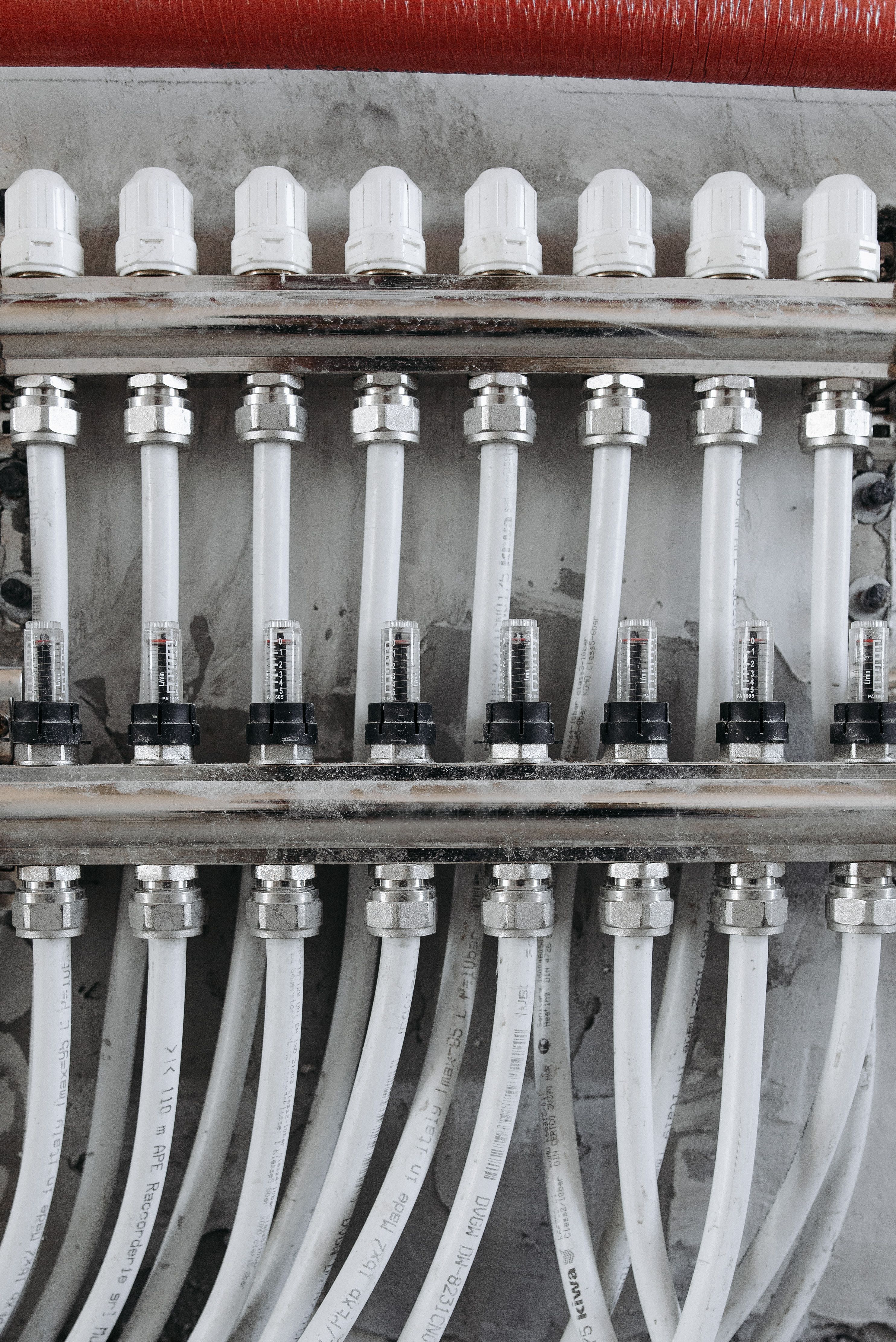
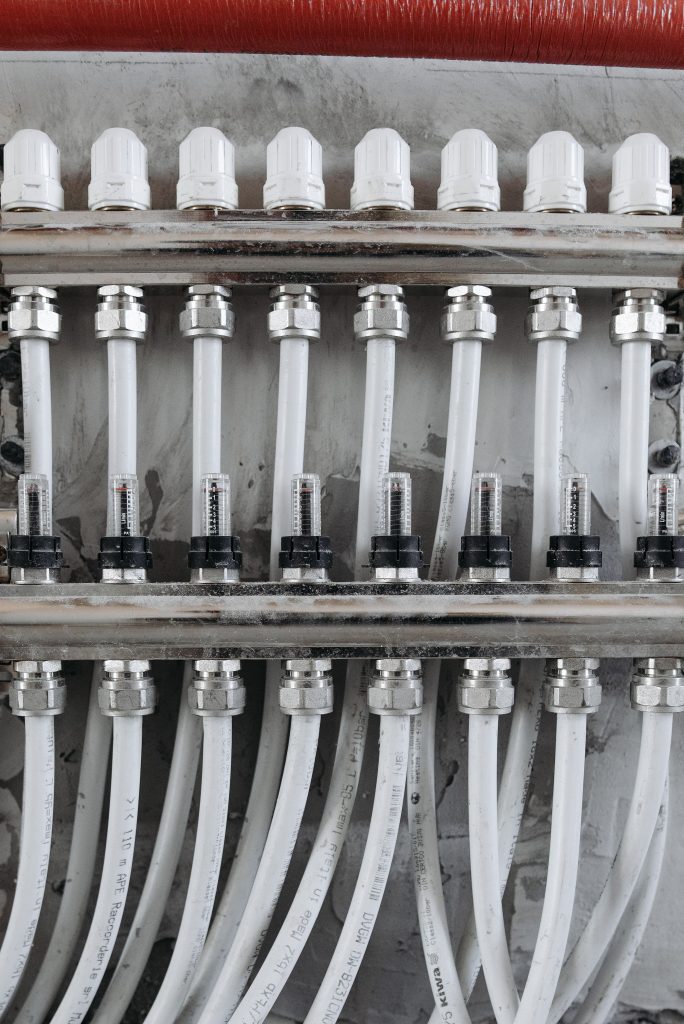
Ideal for Underfloor Heating
Weather compensation is particularly effective when combined with underfloor heating systems.
Because underfloor heating typically operates with water temperatures between 30°C and 40°C, the heat pump can achieve excellent efficiency while maintaining comfortable indoor conditions.
Advantages include:
- Maximum seasonal efficiency
- Even heat distribution
- Lower operating costs
- Quiet, continuous heating
This combination has become the preferred solution for many new low-energy and passive homes.
Does It Also Work with Radiators?
Absolutely.
Although traditional radiators generally require higher water temperatures than underfloor heating, weather compensation can still significantly improve system performance.
Modern oversized radiators and low-temperature radiator systems are especially well suited for heat pumps.
Even when higher flow temperatures are required during very cold weather, the controller automatically reduces them whenever outdoor temperatures rise, lowering annual energy consumption.
Can Weather Compensation Reduce Electricity Bills?
Yes.
While actual savings vary depending on the building, climate, insulation, and heating system, weather compensation typically reduces electricity consumption by ensuring the heat pump never produces more heat than necessary.
Savings result from:
- Lower average flow temperatures
- Improved compressor efficiency
- Reduced cycling
- Better matching of heat production to actual building demand
Rather than wasting energy, the system continuously optimizes itself according to changing weather conditions.
Weather Compensation in Smart Energy Homes
Today’s heat pumps are becoming an integral part of intelligent home energy systems.
When weather compensation is combined with technologies such as:
- Smart thermostats
- Home Energy Management Systems (HEMS)
- Dynamic electricity tariffs
- Solar photovoltaic (PV) systems
- Battery energy storage systems (BESS)
the heat pump can optimize not only for outdoor weather but also for electricity prices and renewable energy availability.
This creates a smarter, more sustainable home with lower operating costs and reduced carbon emissions.
Weather Compensation in Tongyi RH Series R290 Heat Pumps
The Tongyi RH Series R290 air-to-water heat pumps incorporate intelligent weather compensation functionality as part of their advanced control system.
By continuously monitoring outdoor conditions, the controller automatically adjusts the flow temperature according to a configurable heating curve, ensuring the system delivers only the amount of heat required at any given moment.
Combined with the RH Series’ DC inverter compressor technology, this intelligent control strategy offers several advantages:
- Higher seasonal efficiency (SCOP)
- Reduced electricity consumption
- Stable indoor temperatures
- Less compressor cycling
- Longer equipment lifespan
- Optimized performance with both underfloor heating and low-temperature radiator systems
The RH Series also supports advanced smart features, including dual-zone temperature control, Wi-Fi connectivity, RS485 communication, and integration with Home Energy Management Systems (HEMS). Together, these technologies enable homeowners to maximize comfort while minimizing operating costs, making the RH Series an ideal solution for modern energy-efficient homes.
Conclusion
Weather compensation is one of the smartest features available in modern air-to-water heat pumps.
By automatically adjusting the heating water temperature according to outdoor conditions, it improves comfort, increases seasonal efficiency, reduces electricity consumption, and extends the lifespan of the heating system—all without requiring manual adjustments.
Combined with inverter compressor technology and intelligent control systems, weather compensation helps ensure that every kilowatt of electricity is used as efficiently as possible.
For homeowners investing in a high-performance R290 heat pump, enabling and properly configuring weather compensation is one of the simplest ways to maximize comfort, reduce running costs, and enjoy reliable heating throughout the year.