

For many homeowners, the first question about heat pumps is not only about sustainability. It is much more practical: can a heat pump really replace a gas boiler without changing the entire heating system?
The answer is: in many cases, yes — but the result depends on the design of the system, the temperature requirements of the building, the quality of the installation and the type of heat pump selected.
This is why high-temperature air-to-water heat pumps are becoming increasingly relevant for retrofit projects across Europe.
Why homeowners are asking this question
Many existing homes were designed around gas boilers. These systems often supply water to radiators at relatively high temperatures. Traditional low-temperature heat pumps work best with underfloor heating or large radiators, which can create the impression that switching to a heat pump always requires major renovation.
However, this is not always the case.
Modern high-temperature heat pumps are designed to support higher water outlet temperatures, making them more suitable for homes with existing radiator systems. This can help reduce the need for extensive changes to the indoor heating distribution system.
For installers, distributors and energy solution providers, this is an important message: the transition from gas heating to heat pumps does not always need to be complicated. With the right technical assessment, a retrofit project can be practical, efficient and comfortable.
The role of flow temperature
One of the most important technical factors in any heat pump project is flow temperature.
Flow temperature refers to the temperature of the water sent from the heat pump to the heating system. The lower the required flow temperature, the more efficiently the heat pump can operate. This is why good insulation, correct system sizing and suitable radiators are important.
But in retrofit buildings, the system may sometimes require higher temperatures, especially during colder periods. In these cases, a high temperature R290 heat pump can provide more flexibility.
Tongyi’s R290 air-to-water monobloc heat pumps are designed to deliver water temperatures of up to 75°C, helping support both space heating and domestic hot water applications. This makes them particularly relevant for renovation projects where homeowners want to move away from fossil fuel heating while keeping the existing heating infrastructure as much as possible.
Do all radiators need to be replaced?
Not necessarily.
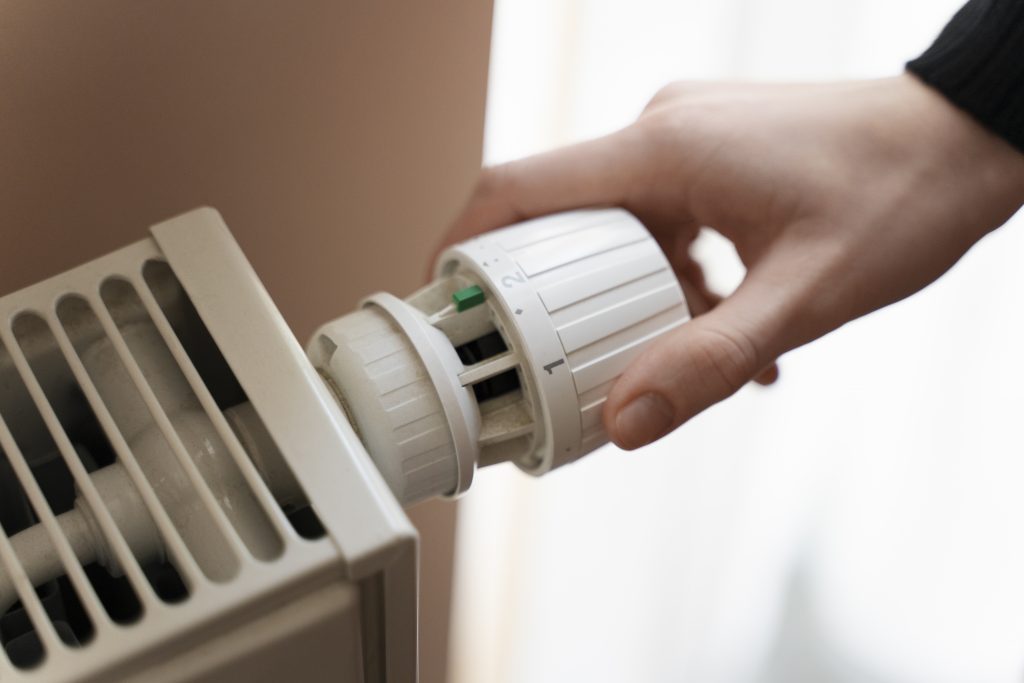
Some homes may need larger radiators or selected upgrades, especially if the existing system was designed for very high boiler temperatures. But many projects can be optimized through proper heat-loss calculation, hydraulic balancing, weather compensation and careful commissioning.
The key is not to treat the heat pump as a simple plug-in replacement. A successful retrofit requires a system approach.
Installers should evaluate:
the building’s heat demand,
the existing radiator capacity,
the required flow temperature,
domestic hot water needs,
available outdoor space,
noise-sensitive locations,
electrical requirements,
and the homeowner’s comfort expectations.
When these elements are properly assessed, a heat pump can often provide reliable comfort without unnecessary renovation.
Why R290 matters
R290, also known as propane, is a natural refrigerant with very low global warming potential. It is increasingly used in modern heat pump systems because it supports strong thermal performance and high outlet temperatures while helping meet Europe’s long-term refrigerant transition requirements.
For homeowners, the refrigerant itself may not be the first concern. They usually care about comfort, bills, noise and reliability. But for installers and distributors, a high temperature R290 heat pump is becoming a strategic technology choice because it combines strong performance with future-oriented environmental compliance.
In simple terms: R290 helps make high-temperature heat pumps more practical for real homes, not only for new buildings.
Comfort, hot water and cold-weather operation
A common misconception is that heat pumps only work well in mild climates. In reality, modern inverter-driven air-to-water heat pumps are designed to operate in low outdoor temperatures. The real question is whether the system has been correctly sized and installed for the specific building.
Tongyi’s R290 monobloc range is designed for demanding European applications, including space heating, cooling and domestic hot water. With inverter technology, intelligent controls and high-temperature capability, the system can adapt output according to demand instead of simply switching on and off like a traditional boiler.
This supports more stable indoor comfort and can improve seasonal efficiency when the system is configured correctly.
The importance of installation quality
The heat pump itself is only one part of the final result.
Many consumer concerns around heat pumps — such as high bills, insufficient comfort or noise — are often linked to poor system design or incorrect installation. A well-selected heat pump must be matched with the right hydraulic design, correct commissioning and clear user guidance.
For B2B partners, this creates an opportunity. The market does not only need more heat pumps; it needs better heat pump solutions. That means reliable products, clear technical documentation, installer support and integration with broader home energy systems.

From heating product to energy node
As homes become more electrified, the heat pump is no longer just a heating appliance. It is becoming part of a wider residential energy ecosystem, connected with solar PV, batteries, smart meters and energy management platforms.
This is where smart-ready heat pump technology becomes especially important.
A heat pump that can communicate with other energy devices can help homeowners use more renewable electricity, optimize consumption and prepare for future demand-response models. For installers and distributors, this creates a stronger value proposition than a simple boiler replacement.
Final thought
Replacing a gas boiler with a heat pump is not only a product decision. It is a system design decision.
For some homes, upgrades may be needed. For many others, a high-temperature R290 heat pump can make the transition easier, especially when the goal is to reduce fossil fuel dependence without completely redesigning the home.
The future of residential heating will depend on technologies that are efficient, flexible and ready for real retrofit conditions.
That is why high-temperature R290 heat pumps are becoming one of the most important solutions for Europe’s next stage of heating electrification.