

Europe’s energy transition is entering a new stage. Electrifying heating is no longer only about replacing a gas boiler with an efficient electric system. The next challenge is deciding when electricity is used.
This is where demand-response heat pumps become important. With suitable controls and system integration, a heat pump can adjust its operation in response to electricity prices, renewable generation or grid signals.
Instead of behaving as a fixed electrical load, it can become a flexible part of the energy system—while continuing to provide heating, cooling and domestic hot water.
This topic is becoming increasingly relevant. The International Energy Agency’s Scaling Up Demand Flexibility analysis, published in July 2026, explains how flexible electricity consumption can reduce peak stress, improve the use of existing networks and support the integration of renewable energy.
The IEA’s Heat Pump Monitor 2026 also identifies heat pumps as a growing source of energy-system flexibility as heating becomes increasingly electrified.
What is demand response?
Demand response means adjusting electricity consumption in response to an external signal. That signal may come from:
• A time-of-use or dynamic electricity tariff
• A home energy management system (HEMS)
• An electricity supplier or flexibility aggregator
• The availability of electricity from on-site solar PV
• A grid request to reduce consumption during a peak period
The objective is not necessarily to reduce total energy consumption. It is primarily to shift part of that consumption to a more advantageous time.
For example, a smart heat pump may produce more hot water when solar generation is abundant or electricity is inexpensive. It can then reduce compressor operation during a short and expensive peak period by using the heat already stored in a hot-water cylinder, buffer tank, floor slab or the building itself.
Why are heat pumps suitable for flexible operation?
Heating demand has one major advantage over many other electrical loads: heat can be stored.
A building does not normally lose its indoor temperature as soon as a heat pump reduces its output. Underfloor heating, water tanks, buffer vessels and the thermal mass of a building can all retain energy for a certain period.
This creates a window in which electricity consumption can be shifted without causing a noticeable loss of comfort.
A simplified flexible-heating cycle can work as follows:
- The controller receives an electricity-price, solar-production or grid signal.
- The heat pump advances or increases heating within safe operating limits.
- Thermal energy is stored in water or in the building.
- Compressor demand is reduced during the peak period.
- Normal operation resumes when conditions improve.
The precise strategy must always respect indoor comfort, domestic-hot-water hygiene, system efficiency and equipment operating limits. Demand response means intelligent optimisation—not uncontrolled switching.
What are the benefits of demand-response heat pumps?
- Better use of renewable electricity
Solar and wind production varies according to weather conditions. Flexible heat pumps can move part of their electricity consumption towards periods when renewable generation is abundant.
This helps homes and energy systems make better use of available clean electricity while reducing the need to curtail renewable generation.
- Lower pressure on the electricity grid
When many electrical devices operate simultaneously, network demand can rise sharply. Coordinated heat-pump operation can help reduce or shift these peak loads.
The IEA estimates that demand-response-ready heat pumps could enable approximately 170,000 additional homes in Ireland to electrify their heating without requiring immediate transmission-network reinforcement. This is equivalent to nearly half of Ireland’s current residential retrofit target.
- Potential savings with dynamic tariffs
Where consumers have access to time-of-use or dynamic electricity pricing, a smart control strategy can schedule part of the heating and domestic-hot-water demand during lower-price periods.
Actual savings will depend on the electricity tariff, local climate, building characteristics, installation and control settings. Therefore, financial savings should not be presented as automatic or guaranteed.
- Improved self-consumption of solar PV
Instead of exporting every surplus kilowatt-hour of solar electricity, a PV-connected home can use part of that energy to produce useful heat or hot water.
A hot-water cylinder, buffer tank or heated floor can therefore operate as a practical form of thermal storage.
- A more resilient energy system
Millions of individually small flexible loads can collectively provide significant value to the electricity system.
Demand-response heat pumps can complement batteries, electricity-network reinforcement and other flexibility resources, helping the grid accommodate more renewable electricity and new electrical loads.
What makes a heat pump “smart-grid ready”?
Wi-Fi control alone does not automatically make a heat pump demand-response ready.
Remote access is useful, but genuine flexibility requires the heat pump to exchange or respond to meaningful control signals.
When evaluating a smart heat-pump system, installers, distributors and energy partners should consider:
• Compatibility with home energy management systems
• External control inputs or recognised communication interfaces
• Integration with solar PV, batteries and smart meters
• Configurable heating and domestic-hot-water schedules
• Weather compensation and adaptive temperature control
• Safe operating limits and comfort-priority settings
• Access to suitable electricity tariffs or aggregation programmes
Interoperability is essential. A technically capable heat pump will only deliver grid value when the complete ecosystem—including the equipment, controls, tariff, installer configuration and market access—works together.
From an efficient appliance to a connected energy asset
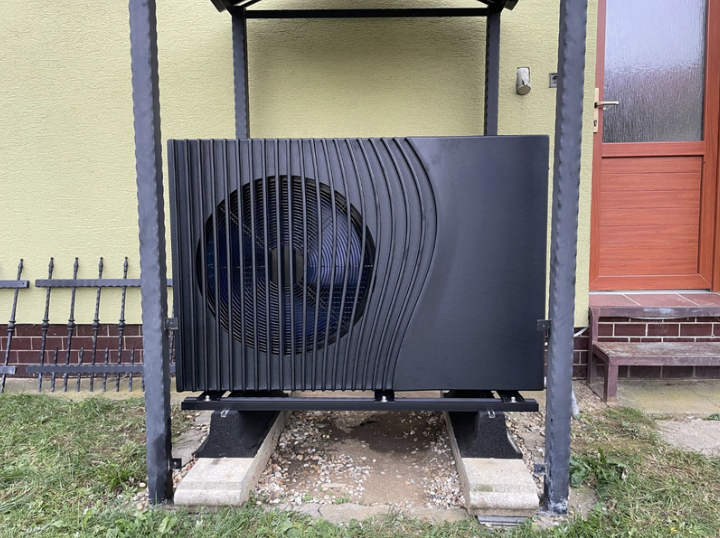
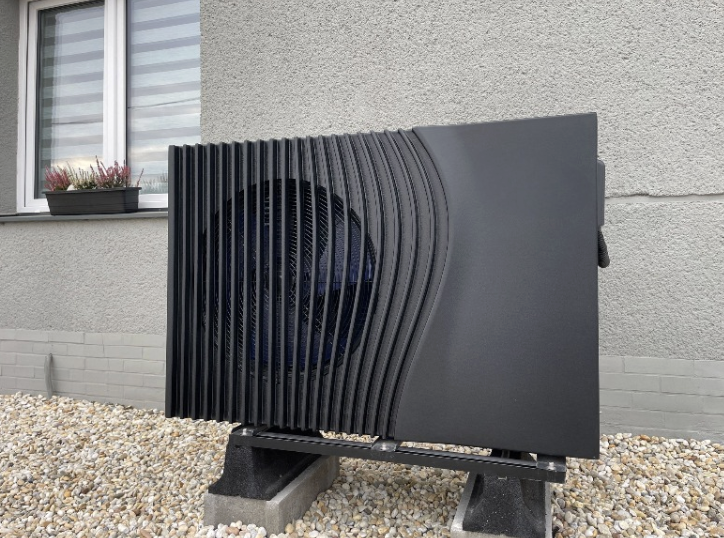
Tongyi’s R290 air-to-water monoblock heat pump combines inverter operation with smart-control functions and compatibility with energy-management, solar PV and battery systems.
These capabilities provide a technical foundation for optimised operation in connected homes and buildings.
For homeowners, the immediate objective remains simple: reliable comfort and efficient heating.
For installers, OEM partners and energy companies, connected control creates wider opportunities—from solar self-consumption and electricity-tariff optimisation to future flexibility services.
However, actual demand-response functions and market participation depend on the selected model, control architecture, local flexibility programme and system commissioning.
Projects should therefore be assessed at system level rather than considering the heat pump alone.
The next phase of heating electrification
The first phase of the heat-pump transition focused mainly on efficiency: producing more useful heat from every unit of electricity.
The next phase adds flexibility: operating that efficient equipment at the most advantageous times.
Demand-response heat pumps can help connect four priorities that are often discussed separately:
• Household comfort
• Lower operating costs
• Renewable-energy integration
• Electricity-grid resilience
As smart meters, dynamic tariffs and home energy management systems continue to expand, the key question will increasingly change from “How efficient is the heat pump?” to “How intelligently can the complete heating system operate?”
That is what can transform a heat pump from an efficient appliance into an active energy asset.
Discover Tongyi’s smart heating solutions and discuss your next residential, OEM or energy-integration project with our team.