
Published: 18 July 2025 I Updated: 8 June 2026
One of the most overlooked—but critical—factors in optimizing a heat pump’s performance is the flow temperature. If you’re aiming for higher efficiency, lower energy bills, and longer unit lifespan, this is the number to pay attention to. In today’s #FridayTech, we break down what flow temperature is, why it matters, and how to adjust it for peak performance.
What is Heat Pump Flow Temperature?
The flow temperature refers to the temperature of the water leaving the heat pump and entering your heating distribution system—radiators, underfloor heating, or fan coils. Typical flow temperatures range from 30°C to 55°C depending on the type of emitters in your system.

Why Lower Flow Temperatures Mean Higher Efficiency
A lower heat pump flow temperature generally improves the coefficient of performance (COP), meaning less electricity is needed to deliver the same amount of heat. The improvement depends on the heat pump model, outdoor temperature and operating conditions; there is no fixed percentage saving for every installation.
The aim is to use the lowest flow temperature that still meets the building’s heating demand and maintains indoor comfort.
Heat Pump Flow Temperature and COP: The Technical Link
The relationship between heat pump flow temperature and efficiency is mainly explained by the temperature lift. A heat pump takes heat from the outdoor air and raises it to a useful temperature for space heating or domestic hot water. The higher the required flow temperature, the harder the compressor has to work.
This is why a heat pump normally performs more efficiently at 35°C than at 55°C. In standard heat pump testing, conditions such as A7/W35 are commonly used, where “W35” refers to a 35°C water outlet or flow temperature. When the same unit is required to deliver hotter water, the COP normally decreases because the system needs more electrical input to reach the higher temperature.
For installers, distributors, and homeowners, this means that heat pump performance should not only be judged by the unit itself. The heating distribution system also matters. A well-designed system with suitable emitters, correct water flow, and an optimized heating curve can help the heat pump operate at lower flow temperatures for more hours during the heating season.
When and How to Lower the Flow Temperature
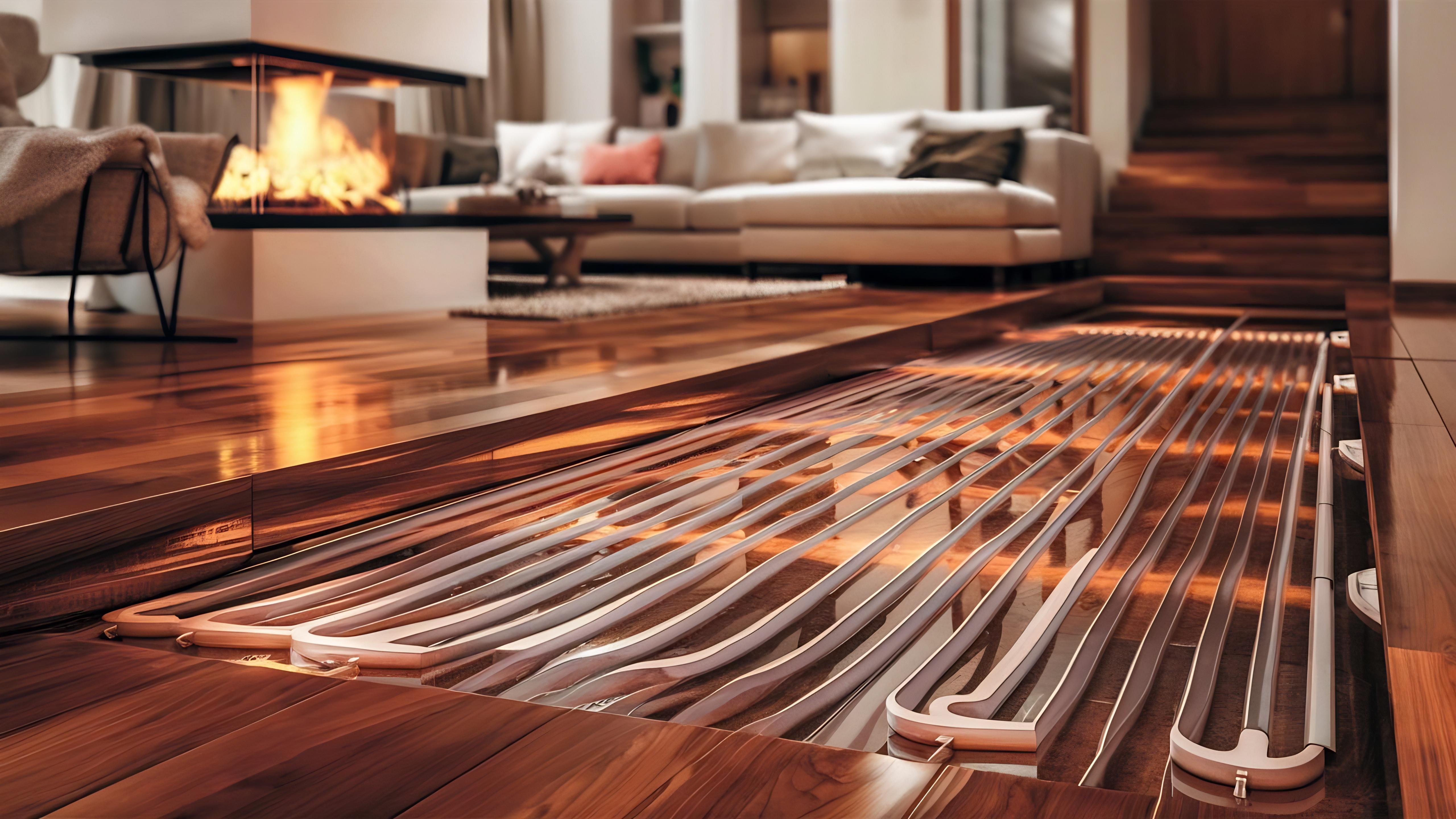
- Underfloor Heating Systems: These are ideal for heat pumps because they can operate efficiently with flow temperatures between 30–40°C. If you’re using a Tongyi R290 heat pump, you can fine-tune this setting via the control panel or the IoT app interface.
- Oversized Radiators or Low-Temperature Radiators: These allow you to drop flow temperatures to 45–50°C while still maintaining comfort.
- Weather Compensation Curve: Modern Tongyi units support automatic adjustment of flow temperature depending on outdoor temperature. This dynamic response—known as weather compensation—is one of the smartest ways to keep efficiency high without manual intervention.

Typical Flow Temperatures for Different Heating Systems
Different heating systems require different water temperatures. As a general guide:
| Heating system | Typical flow temperature | Heat pump efficiency potential |
|---|---|---|
| Underfloor heating | 30–40°C | Very high |
| Wall heating or large surface emitters | 30–45°C | Very high |
| Low-temperature radiators | 40–50°C | Good |
| Standard radiators in older homes | 45–55°C | Medium |
| Poorly sized radiators or weak insulation | 55°C+ | Lower |
Underfloor heating is usually the best match for a heat pump because it uses a large surface area to distribute heat. This allows the system to keep rooms comfortable with a much lower water temperature. Low-temperature radiators can also work well, especially when they are correctly sized and the building is properly insulated.
For renovation projects, the target should not simply be to replace a boiler with a heat pump and keep the same settings. The better approach is to check the heat loss of the building, evaluate the radiator size, and reduce the flow temperature step by step while maintaining indoor comfort.
Installation Tip: Get Your Installer Involved
Reducing flow temperature isn’t just about changing a number—it’s about matching the system design. Speak with your installer or heating engineer to:
- Rebalance emitters if needed
- Enable or fine-tune the heating curve
- Verify return temperatures and delta T values for optimal compressor operation
Practical Tips to Reduce Heat Pump Flow Temperature Safely
Lowering the flow temperature should be done carefully. The goal is not to make the system colder, but to find the lowest temperature that still keeps the building comfortable.
Here are practical steps:
- Start by checking the current flow temperature setting.
- Reduce the flow temperature gradually, for example by 2–3°C at a time.
- Monitor indoor comfort over several days, especially during colder weather.
- Make sure radiators or underfloor heating circuits are correctly balanced.
- Ask the installer to check flow rate, return temperature, and delta T.
- Enable or fine-tune the weather compensation curve.
- Improve insulation where possible to reduce heating demand.
A lower flow temperature works best when the whole system is designed correctly. Good insulation, suitable emitters, correct hydraulic balancing, and smart controls all contribute to better seasonal efficiency.
The Takeaway
Choosing the right heat pump flow temperature can improve efficiency while keeping your home comfortable. Work with your installer to find the lowest suitable setting for your building, heating system and weather conditions. Actual energy savings depend on the installation and its previous operating settings.
Need support adjusting your flow temperature settings? Reach out to us or check your Tongyi smart controller manual for step-by-step guidance.