Environmental impact
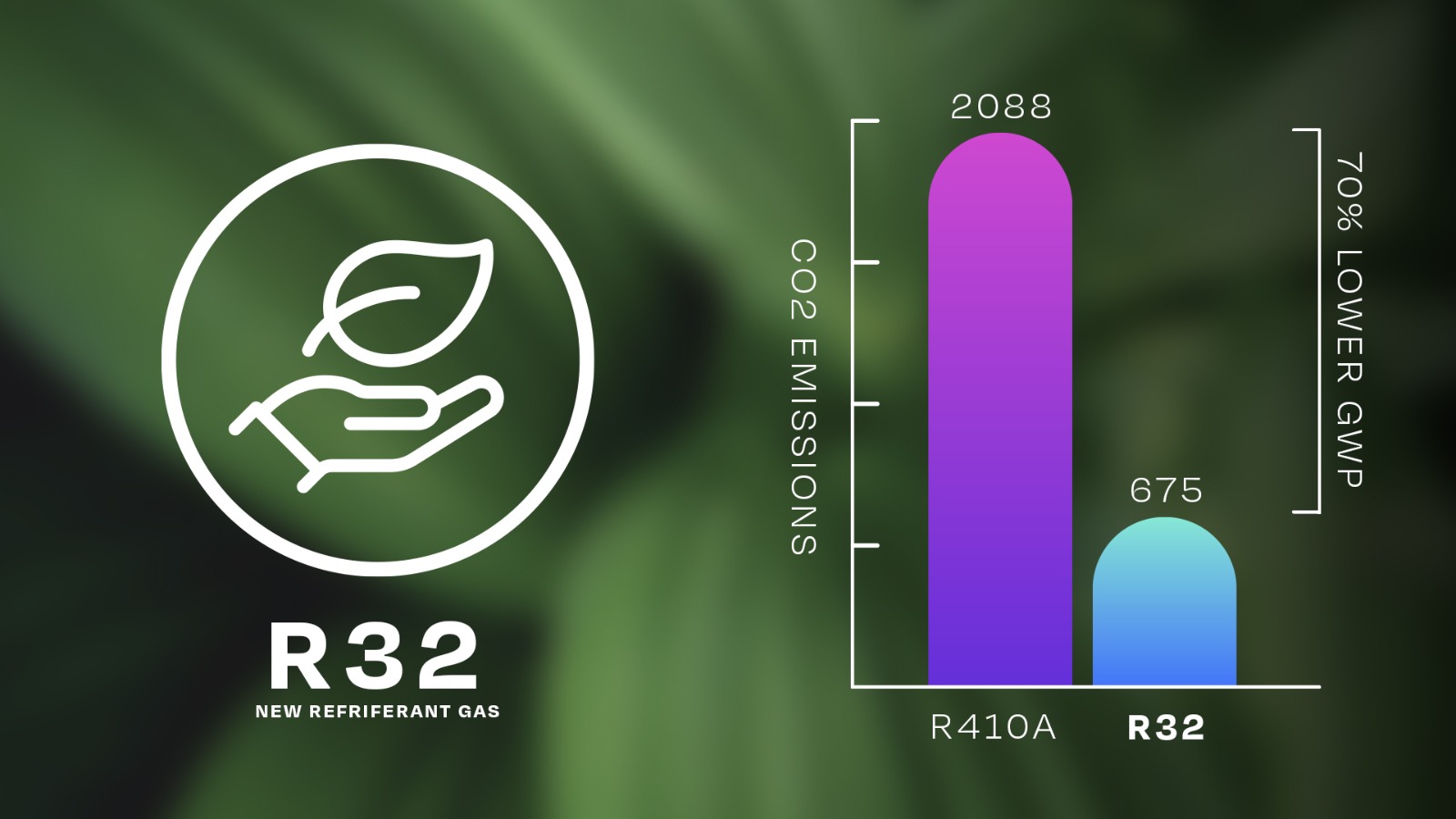
From an environmental perspective, R290 is generally the stronger option. The EU F-gas framework is pushing the market away from higher-GWP fluorinated gases and toward lower-impact alternatives in products such as heat pumps and air-conditioning systems.
R32 remains a lower-impact option compared with older refrigerants, but it is still an F-gas. That matters because EU restrictions increasingly focus on refrigerant type, GWP thresholds, product category, and market timing rather than only on traditional performance claims.
Safety and flammability
This is where many comparison pages become too simplistic.
R32 is not non-flammable. It is mildly flammable (A2L). R290 is more flammable (A3). So the correct comparison is not “R290 is flammable and R32 is safe,” but rather that the two refrigerants have different flammability classifications and therefore different engineering and installation implications.
For that reason, safety positioning should focus on standards compliance, engineering controls, charge management, and correct application design rather than on oversimplified marketing claims.
Regulation and market direction in Europe
Rather than saying “R32 is banned” or “R32 is being phased out everywhere,” it is more accurate to explain that the EU F-gas rules are tightening restrictions on fluorinated refrigerants in specific product categories over time. The exact outcome depends on equipment type, capacity, refrigerant GWP, and date.
That is one reason R290 is becoming more strategically important in Europe. It supports a lower-GWP pathway, but the regulatory answer should always be linked to the exact product category rather than to a blanket statement.
Which refrigerant is better?
There is no one-sentence answer for every case.
R290 may be the better choice when:
- environmental positioning is the priority
- long-term low-GWP strategy matters
- the product architecture is designed around natural refrigerants
- European market direction is a major consideration
R32 may remain relevant when:
- the product platform is already designed around A2L refrigerants
- the application benefits from a lower flammability class than A3
- the target product category still supports that route under current rules
In other words, R290 is often the stronger long-term strategic refrigerant, while R32 can still be a practical option in the right applications.